Maserati Cold Start Rattle: Diagnosing Drain-Back and the 186563 vs 212423 Evolution
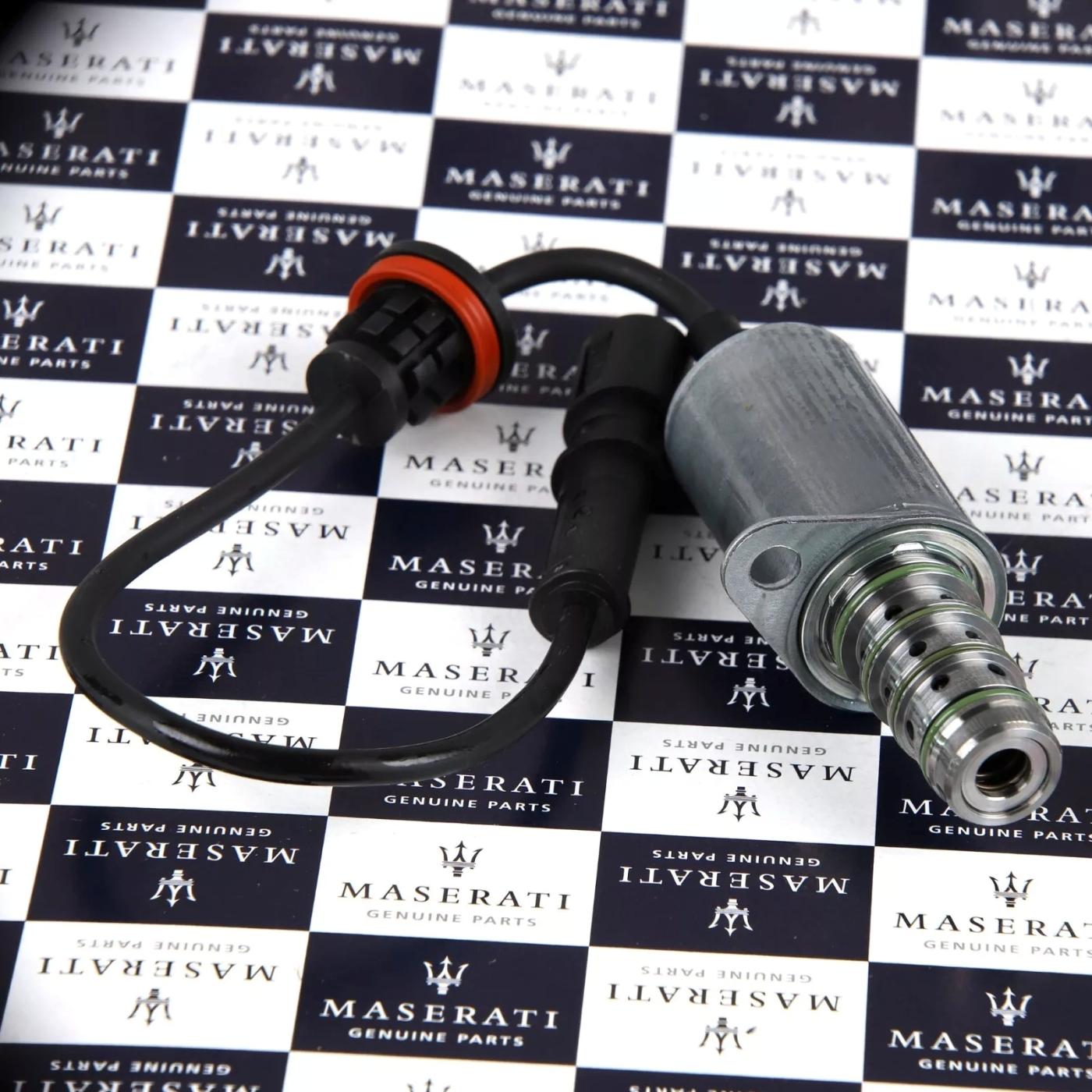
Maserati Cold Start Rattle: Fix for M139 & M145 Engines
Igniting a Maserati GranTurismo or Quattroporte carries the expectation of a sophisticated roar, yet many owners meet a harsh, two-second metallic clatter instead. This unsettling Maserati cold start rattle signals a specific interruption in your engine's internal hydraulics rather than catastrophic damage.
Mechanics identify this fleeting clamor as a lack of hydraulic stabilization. Essentially, the oil required to cushion your engine's timing components has drained away overnight, leaving metal parts briefly exposed until pressure builds. Addressing this issue is critical for owners facing a Maserati GranTurismo cold start rattle or similar Maserati Quattroporte cold start rattle. By understanding how the Maserati oil pressure timing system acts as a liquid lock, you can identify the failing component before it causes lasting wear.
The Hydraulic Secret: How Oil Pressure Acts as a Lock
Your Maserati M139 M145 engine adjusts how it breathes thousands of times per minute to deliver that iconic driving experience. To achieve a seamless power surge, the camshafts must physically rotate slightly relative to the engine's core. This process, known as phasing, is handled by the Variable Valve Timing (VVT) system, allowing the engine to inhale air and fuel with absolute precision.
Within the Maserati oil pressure timing system, the engine uses oil not just as a lubricant but as a powerful hydraulic fluid. The oil is pumped into the camshaft variators—specialized gears at the front of the block—under immense force, controlled by a camshaft variator solenoid valve. This pressurized fluid fills internal chambers, effectively acting as a solid wedge that pushes the camshafts into the correct position.
This pressure functions as a "liquid lock." When the system is primed, the variators are held rigid, ensuring the valves operate exactly when commanded. The variable valve timing solenoid function in Maserati engines is critical; without that hydraulic stiffness, heavy metal components are free to oscillate uncontrollably against the rotating chain drive during the first few seconds of ignition. If you notice a brief Maserati m139 m145 engine rattle on cold start, this is typically the moment before full oil pressure restores order.
The Check-Valve Failure: Why Your Engine Loses Its Prime
When you park your Maserati M139 or M145 engine, gravity naturally works to pull every drop of oil down into the sump pan. To prevent the upper cylinder heads from running dry, the system relies on a non-return valve (check valve) integrated into the timing solenoids.
This small component acts like a stopper in a sink, trapping a crucial reservoir of oil in the upper galleries. It ensures that when you return in the morning, the cam variators remain primed and ready to engage the moment the engine spins. Over time, the internal seals in early-generation solenoids, such as the legacy Maserati part 186563, can degrade, compromising this "stopper."
Once the seal fails, oil slowly drains back into the pan overnight, leaving the top of the engine empty. The next time you press the start button, the hydraulic lock is missing, and the engine must frantically pump fluid from the bottom of the car back to the top. That harsh, metallic clatter is the sound of dry variators oscillating loosely while they wait for the oil pressure to stabilize.
Recognizing the Pattern of Drain-Back:
- Cold Start Rattle: A loud, diesel-like clatter only after the car has sat for several hours.
- Brief Duration: The noise lasts exactly 1--3 seconds—the time it takes the oil pump to refill the empty system.
- Warm Silence: Subsequent starts are smooth because the oil hasn't had time to drain away again.
These are classic Maserati check valve failure symptoms.
This brief rattle is a warning sign that your solenoids are outdated, necessitating a move to the revised Maserati components.
From 186563 to 212423: Why the Latest Revision is Mandatory
Facing widespread reports of this clatter, Maserati engineers returned to the drawing board to address the root cause. They identified that the original Maserati variator solenoid 186563 was prone to internal seal fatigue. This wasn't a simple manufacturing anomaly, but a design limitation that prevented the system from holding the necessary hydraulic pressure.
The direct result of this engineering effort is the revised Maserati solenoid 212423. This updated component features reinforced internal seals and a modified check-valve mechanism specifically calibrated to hold oil in the upper cylinder head. It serves as a "Version 2.0" update for your engine's hardware, physically rectifying the flaws that caused the drain-back symptoms in earlier production runs.
Crucially, replacing a noisy unit with "New Old Stock" of the old part number will only reset the clock on the failure. When evaluating Maserati part 186563 vs 212423, the internal distinctions determine the longevity of the repair:
- 186563 (Legacy): Uses standard seals that relax over time, allowing oil to drain back into the sump.
- 212423 (Revised): Utilizes enhanced check-valve tension and durable materials to maintain prime during overnight parking.
In short, owners face a Maserati solenoid 186563 vs 212423 choice: the latter is engineered to maintain prime and silence the rattle. Upgrading to the Maserati variator solenoid 212423 is the durable, OE/OEM-correct remedy for long-term reliability.
The High Cost of 'Cheap' Parts: The Aftermarket Risk
It is tempting to see a lower price tag on a third-party component, but for a Ferrari-built V8, the external appearance of a solenoid is irrelevant compared to the microscopic precision required inside. These engines operate on razor-thin margins.
Inferior manufacturing standards in aftermarket camshaft solenoids frequently result in internal plungers that are slightly too large or have rough surface finishes. This lack of refinement leads to "sticking," where the valve physically jams inside its housing instead of gliding freely to regulate oil pressure. When this mechanical seizure occurs, the engine's computer loses the ability to adjust timing instantly, triggering stubborn "Check Engine" lights (commonly codes P0011 or P0014) and an unstable, rough idle. Choosing OE / OEM Genuine Maserati parts ensures the repair is permanent.
Ensuring a Perfect Match: The Masparts VIN Check
Because Maserati updated these components mid-production based on engine serial numbers, a standard part search may not be enough. To guarantee the revised 212423 solenoid fits your specific assembly, Masparts.net provides a specialized verification service.
Don't guess when it comes to internal engine components. Our VIN check service acts as your technical concierge, cross-referencing your specific engine number to ensure compatibility. This restores your Maserati's signature sound and secures true mechanical peace of mind. Use the Masparts.net VIN-check service so we can confirm the correct solenoid revision by engine number and bank, avoiding returns and delays.
Click here if you want to learn more about our VIN check
Veelgestelde vragen
-
The rattle is the sound of unprimed camshaft variators briefly oscillating until oil pressure is restored. When the engine is shut off, a weak or worn non-return check valve inside the legacy camshaft variator solenoid (Part 186563) allows oil to drain back to the sump. On the next cold start, the upper galleries are dry. Until the pump refills these chambers and re-establishes the hydraulic "liquid lock," the timing components clatter against the chain drive. Once pressure stabilizes—typically within 3 seconds—the noise vanishes. Warm restarts remain quiet because the oil hasn't had sufficient time to drain away again.
-
Look for a very specific pattern: a loud, metallic, diesel-like clatter that occurs only after the car has sat for several hours, lasts exactly 1--3 seconds, and is followed by perfectly quiet operation. This sequence is the hallmark of solenoid check-valve failure. Conversely, noises that persist when the engine is warm, increase with RPM, or occur on every single start suggest broader mechanical wear. Note that "sticking" solenoids—common with cheap aftermarket units—often trigger timing faults like P0011/P0014 and a rough idle, which are distinct from the brief, first-start-only rattle.
-
Maserati redesigned the component to fix the root cause: premature seal fatigue. The revised 212423 solenoid utilizes strengthened internal sealing and a recalibrated check-valve tension to hold oil in the upper cylinder head indefinitely. Installing "New Old Stock" of the legacy 186563 part simply restarts the failure clock. The 212423 revision is the only engineered, durable cure that prevents drain-back, protects the variators from dry-start friction, and permanently silences the clatter.
-
In short: No. While a high-quality filter is essential, it cannot compensate for a failing internal check valve inside the timing solenoid itself. These Ferrari-derived V8 engines rely on ultra-precise hydraulic control; attempting to mask the symptom with thicker oil viscosity won't restore the "liquid lock" required to keep the variators rigid at rest, and may damage the engines internals. The only permanent repair is replacing the legacy solenoid with the revised OE/OEM 212423 unit and avoiding low-quality aftermarket copies that lead to sticking and repeat labor costs.
-
Because Maserati updated these components mid-production, a basic parts catalog lookup is often insufficient. To guarantee a perfect match, you need a VIN (Vehicle Identification Number). Submit this to the Masparts VIN-check tool. We will cross-reference your exact engine build to confirm the correct solenoid revision and bank compatibility, preventing costly installation errors and ensuring you receive genuine, factory-correct components.