Maserati 4200 and Quattroporte V maintenance
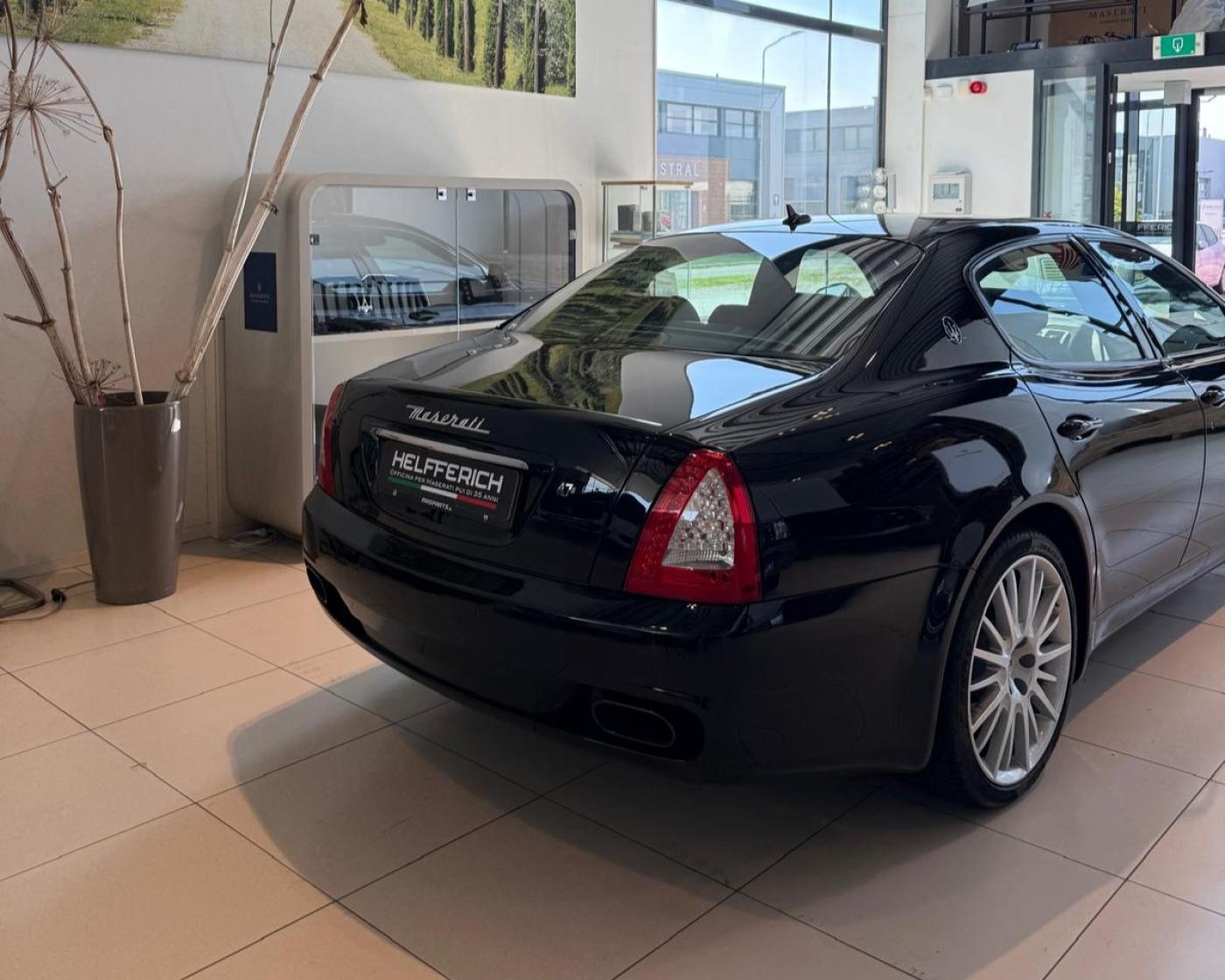
The Ferrari-Engineered Era: A Guide to Maintaining the Maserati 4200 & Quattroporte V
The turn of the millennium marked a true renaissance for Maserati. With the introduction of the F136 V8 engine—a masterpiece shared with the Ferrari F430—the 4200 Coupé and the Quattroporte V redefined Italian performance luxury. But as these cars transition from "used luxury" to "modern classics," the gap between a pristine example and a mechanical nightmare narrows significantly.
To keep these machines on the road, owners must look past the badge and understand the specific engineering requirements of the Modena-Maranello partnership. Preserving their legacy requires more than just oil changes; it demands an intuitive approach to maintenance that anticipates common F136 V8 engine issues before they escalate.
Proactive, OEM-focused maintenance is essential for the 4200 and Quattroporte V, especially regarding the F136 V8's variator system, oil quality, and OEM-spec filters. Most Cambiocorsa issues stem from hydraulics; monitoring pump cycle times and planning a Cambiocorsa pump replacement is vital. Addressing heat-related failures, brittle expansion tanks, and worn suspension bushings through expert-verified Genuine/OEM parts ensures long-term reliability.
The Heart of the Matter: The F136 V8 and Variable Valve Timing
The naturally aspirated V8 is remarkably robust, but it is not maintenance-free. Among known F136 V8 engine issues, one of the most critical, yet often overlooked, areas is the Variator system. Early Quattroporte V and 4200 models can develop a distinct 'rattle' upon a cold start—a classic Quattroporte V variator rattle. This is more than an acoustic nuisance; it is a sign of oil pressure bleed-back in the cam phasers.
Preventing top-end wear requires a commitment to oil quality that exceeds standard manufacturer recommendations. Using anything other than high-spec synthetic oil, or stretching service intervals beyond 10,000 kilometers, risks clogging the delicate oil galleries. At Masparts, we always emphasize OEM-spec filters; a generic filter may look the same, but the internal bypass valve pressures are rarely calibrated for the high-flow requirements of a Ferrari-derived dry-sump system.
The Cambiocorsa Conundrum: Hydraulics vs. Mechanical Wear
Perhaps the most discussed component of this era is the Cambiocorsa (or DuoSelect) automated manual transmission. It is a system that rewards the spirited driver but punishes the negligent owner.
Most gearbox failures reported by owners are actually failures of the hydraulic peripheral systems. The electric pump that primes the system is a high-wear item. When this pump fatigues, it fails to maintain the 40-50 bar of pressure required for clean shifts, leading to excessive clutch wear and "ghost" neutrals.
Rather than waiting for a total breakdown, proactive owners should monitor the pump's cycle time. If the pump primes every time you open the driver's door and struggles to keep up during shifts, it is time for an expert-verified OEM replacement. Planning a proactive Cambiocorsa pump replacement and pairing it with fresh, high-spec hydraulic fluid every two years is the single best way to avoid a four-figure clutch replacement bill.
Beyond the Engine: The Battle Against Heat and Aging
Italian cars of this era are famously sensitive to heat cycles. Under the hood of a Quattroporte or 4200, the packaging is tight, and heat soak is inevitable.
- The Sticky Button Phenomenon: The degrading soft-touch plastics in the cabin are a sign of the environmental stress these cars face. Protecting the interior from UV and excessive heat is as vital as mechanical care.
- Brittle Cooling Components: Plastic expansion tanks and radiator end-tanks are prone to hairline fractures. A minor coolant leak can lead to warped heads in minutes. We recommend a proactive inspection of all cooling hoses and replacing the expansion tank every 6-8 years with a Genuine unit.
- Suspension Compliance: On higher-mileage cars, it is essential to inspect and refresh Maserati 4200 suspension bushings to restore the razor-sharp handling these cars were known for.
Why Verification is Your Best Insurance
When you search for components, you will find a flood of aftermarket sensors. However, these cars operate on a complex CAN-bus network. A non-OEM oxygen sensor or an unverified crankshaft position sensor might have a slightly different resistance value, leading to "Check Engine" lights that are notoriously difficult to diagnose. This is where the question of Maserati OEM parts vs aftermarket truly affects reliability and drivability.
Our philosophy at Masparts.net is simple: we provide the parts that were designed to be there. By supplying expert-verified Genuine and OEM components, we ensure that the communication between the car's mechanical heart and its electronic brain remains seamless.
Preserving a Legacy of Performance
Ultimately, owning a Maserati from the Ferrari-engineered era is about more than just transport; it is about preserving a specific moment in automotive history. By addressing the known weak points of the 4200 and Quattroporte V with proactive maintenance and uncompromising parts, you ensure that the car's character remains as sharp as the day it left Modena. It is the difference between simply owning a masterpiece and truly experiencing one.
Curated Excellence for Your Maserati
Don't leave your car's performance to chance with unverified components. Explore our collection of expert-verified Genuine and OEM parts for the Maserati 4200 and Quattroporte V—each component selected to uphold the standards of the Ferrari-Maserati partnership.
[Explore Our Full Maserati Parts Catalog]
F.A.Q.
-
Genuine parts come in Maserati-branded packaging and are sourced directly from the factory network. OEM (Original Equipment Manufacturer) parts are produced by the exact same suppliers---such as Magneti Marelli, Bosch, or Brembo---on the same production lines. They meet identical technical specifications and tolerances but are sold in the manufacturer's own packaging. At Masparts, we verify both to ensure they meet the strict engineering standards your car requires.
-
This is often a symptom of failing camshaft variators, a known issue in the F136 V8 engine. It occurs when the variators fail to hold oil pressure, causing a mechanical rattle until the pressure builds up. Addressing this early with high-quality oil filters and eventually replacing the variators is crucial to prevent long-term top-end wear.
-
The key to Cambiocorsa longevity is hydraulic health. We recommend replacing the hydraulic pump proactively if shift times increase or if the pump cycles too frequently. Additionally, ensuring the system is bled correctly and using only the specified hydraulic fluids will prevent premature clutch wear and overheating of the actuator.
-
We strongly advise against unverified aftermarket sensors. The Maserati CAN-bus system is highly sensitive to electrical resistance. Even a minor deviation in an aftermarket oxygen or crankshaft sensor can lead to persistent error codes and poor engine performance. Stick to expert-verified OEM sensors to ensure seamless communication with the ECU.
-
Yes, the 4200 and Quattroporte V share the F136 engine family with the Ferrari F430 and California, among others. While many internal engine components and sensors are identical, the calibration and certain peripherals are unique to Maserati. This shared DNA is why using factory-grade components is non-negotiable for maintaining performance.